ICOM IC-A25N Handheld NAV/COM Transceiver w/ Bluetooth – Open Box: Advanced Pilot Communication
ICOM IC-A25N Handheld NAV/COM Transceiver w/ Bluetooth – Open Box: Advanced Pilot Communication
Blog Article
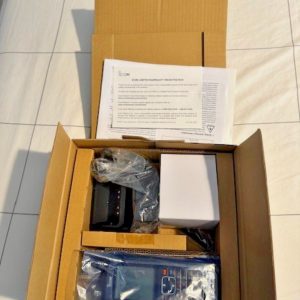
:::writingvariant="document" id="58314" ICOM IC-A25N Handheld NAV/COM Transceiver w/ Bluetooth – Open Box: Professional Aviation Backup Radio The ICOM IC-A25N Handheld NAV/COM Transceiver w/ Bluetooth – Open Box combines user-friendly controls, portable convenience, aviation communication capability, navigation functions, and Bluetooth connectivity. An open-box ICOM transceiver can be attractive to buyers who want dependable features while reducing the cost of purchasing professional aviation equipment. The ICOM IC-A25N Handheld NAV is suitable for users who want portable access to communication and navigation-related functions during flight preparation, cockpit operations, instruction, emergency planning, or airport ground activities. The ICOM IC-A25N Aviation Radio is relevant to pilots who need dependable access to aviation frequencies while operating in the cockpit or around an airport. An ICOM IC-A25N Handheld Radio offers mobility that panel-mounted equipment cannot provide, allowing users to communicate from the aircraft, ramp, hangar, or operations area. Choosing a Handheld NAV/COM Aviation Transceiver can support organized flight preparation, backup planning, and portable cockpit communication. Whether the requirement is a Handheld Aviation Radio, Aviation NAV/COM Radio, Pilot Handheld Radio, or Aircraft Communication Radio, buyers should review package condition, included accessories, battery health, and operational compatibility before purchase. The unit may also serve as a Portable Aviation Transceiver, Aviation Communication Device, Handheld Aircraft Radio, Aviation Navigation Radio, ICOM Pilot Radio, Emergency Aviation Radio, or Backup Aircraft Radio for appropriate aviation applications.
Exploring the ICOM IC-A25N NAV/COM Platform
The IC-A25N combines portable aviation communication capability with navigation-oriented features intended to support a broad range of pilot activities. Pilots often select a feature-rich handheld radio because it supports communication needs without requiring permanent installation or aircraft modification. Real-world results depend on setup, antenna use, radio configuration, location, surrounding structures, and the condition of the complete package. Familiarity transforms a portable radio from stored equipment into a practical and dependable operational resource.Using the ICOM IC-A25N Handheld NAV
The navigation-oriented functions can complement normal cockpit planning when used within their intended purpose and understood limitations. Flight schools can use portable radios to support classroom discussions, ramp communication, operational demonstrations, and backup planning. Navigation features should support rather than replace required pilot preparation, approved navigation equipment, current charts, and appropriate operational judgment. Pilots should avoid burying backup equipment under baggage where it cannot be reached quickly during flight.Choosing an ICOM IC-A25N Aviation Radio
The radio may be useful to pilots operating aircraft with limited avionics, temporary communication problems, or different cockpit configurations. Pilots attending fly-ins or traveling through unfamiliar airports may appreciate having portable access to communication frequencies. An open-box product should be evaluated carefully even when it appears unused or lightly handled. The best purchase decision combines condition evidence, package completeness, seller credibility, secure payment, and documented delivery terms.Carrying the ICOM IC-A25N Handheld Radio
The ICOM IC-A25N Handheld Radio offers portable access to aviation communication functions without requiring permanent aircraft installation, wiring, panel space, or structural modification. Pilots should protect the radio with a suitable case or organized storage compartment to reduce the risk of impact, moisture, connector damage, or accidental control activation. Preparation outside the aircraft supports more confident, efficient, and less distracting use during actual operations. The radio should be removed from environments where condensation, fuel, oil, cleaning products, or maintenance debris may cause damage.Handheld NAV/COM Aviation Transceiver Applications
A Handheld NAV/COM Aviation Transceiver combines portable communication and navigation-related capability within one device, making it useful for pilots who value multifunction equipment. An open-box package may represent strong value when it includes the equipment required for immediate setup and normal use. Stored frequencies and settings should be reviewed periodically so outdated information does not create confusion. Regular care supports reliable operation, protects resale value, and reduces the risk of missing components.Maintaining a Handheld Aviation Radio
A Handheld Aviation Radio is a practical tool for private pilots, instructors, students, mechanics, aircraft owners, flight schools, and airport support personnel. The radio can also provide useful redundancy when an installed communication system experiences an unexpected problem. Radio performance can be affected by aircraft structure, cockpit location, antenna orientation, terrain, buildings, interference, weather, and distance. Professional radio discipline includes listening carefully, transmitting clearly, using appropriate terminology, and keeping messages relevant.Using an Aviation NAV/COM Radio
The combined platform can be useful during training because students can explore aviation radio functions with one portable device. Important features should be practiced on the ground before the radio is used during high-workload phases of flight. The device is most effective when integrated into a disciplined aviation workflow rather than treated as a single solution for every situation. Before departure, pilots should confirm that the radio is charged, correctly configured, securely stored, and easy to reach.Pilot Handheld Radio Benefits
A Pilot Handheld Radio can provide useful communication redundancy during cross-country flights, aircraft delivery, rental operations, training, and travel to unfamiliar airports. Pilots should decide before departure where the radio will be located and website how it will be retrieved during an abnormal situation. A pilot should practice basic operations such as powering on, selecting a frequency, adjusting audio, transmitting appropriately, using memory functions, and checking battery status. A battery that appears charged after long storage may not provide the operating duration expected under real conditions.Choosing an Aircraft Communication Radio
An aircraft communication device can support maintenance coordination, ground handling, training activities, and operational monitoring where appropriate. A strong transceiver cannot compensate for poor microphone technique, excessive background noise, incorrect frequency selection, or unclear messages. A portable radio may operate differently from the aircraft’s main communication system because antenna size, antenna position, output, and cockpit shielding can affect performance. Qualified repair or manufacturer-supported service may be appropriate for electronic problems that cannot be corrected through normal setup.Portable Aviation Transceiver Advantages
A Portable Aviation Transceiver offers communication mobility for pilots and aviation professionals who are not always positioned inside a powered aircraft. A portable unit is easier to transport than installed avionics, but it also requires careful management of batteries, antennas, chargers, cables, and accessories. Bluetooth operation should be tested in advance because pairing status, battery condition, compatibility, audio routing, and device settings can influence performance. Pilots should avoid troubleshooting complicated pairing issues during high-workload phases of flight.Aviation Communication Device for Professional Use
Commercial value is strongest when the radio includes the accessories, battery capability, and support required for actual use. An open box may result from display, return, inspection, testing, damaged packaging, or another non-operational reason. Professional users may maintain records of radio assignment, charging, inspections, damage, accessory inventory, and battery replacement. Training should cover normal communication, navigation-related functions, emergency use, battery care, Bluetooth setup, and storage.Handheld Aircraft Radio Benefits
Flight instructors can carry the radio during aircraft walkarounds, ramp exercises, and selected student-training activities. The radio provides practical value wherever access to aviation communication is useful away from a powered instrument panel. A handheld radio should not be placed on an unstable surface where turbulence or maneuvering could send it across the cockpit. The radio should be cleaned only with suitable methods that do not damage the display, housing, seals, labels, or controls.Aviation Navigation Radio Applications
The IC-A25N may appeal to pilots who want more than communication capability from their handheld flight-bag radio. A demonstration or careful manual review can help users understand displays, menus, stored information, and navigation-related controls. A handheld radio should not be treated as a substitute for equipment or procedures required by regulation, aircraft approval, or operating conditions. A radio that has not been used recently may require charging, configuration review, Bluetooth reconnection, and accessory inspection.Choosing an ICOM Pilot Radio
An ICOM handheld can become a standard part of a flight bag for pilots who regularly operate rented, shared, or personally owned aircraft. Accessories, manuals, packaging, warranty eligibility, and previous registration may affect the practical and commercial value of the radio. Businesses may value durability, accessory replacement, consistent training, and the ability to assign one radio across several users. Periodic practice ensures that the user remains confident with essential functions as time passes.Using an Emergency Aviation Radio
A handheld radio may support a pilot’s response to an abnormal situation by providing portable communication capability independent of the main panel system. Cockpit structure, antenna location, terrain, altitude, weather, buildings, and battery condition can influence emergency performance. The pilot should know how to operate the radio directly if a paired headset or wireless accessory fails. Emergency equipment checks can be scheduled with annual inspections, proficiency reviews, seasonal preparation, or flight-bag audits.Using a Backup Aircraft Radio
A Backup Aircraft Radio provides communication redundancy for pilots who want an alternative to the primary panel-mounted transceiver. Pilots should confirm charge status, antenna attachment, audio output, Bluetooth pairing, memory organization, and accessibility. The pilot should determine whether the radio will be operated through its built-in audio, Bluetooth accessory, or wired headset connection. The handheld radio should support safe aircraft management rather than draw attention away from immediate flight responsibilities.Buying an Open-Box ICOM IC-A25N
Buyers should review the radio body for scratches, cracks, missing labels, damaged controls, loose components, or wear around frequently handled areas. The package should be compared with the seller’s inventory to confirm the radio, battery, antenna, charger, adapters, clip, documentation, packaging, and other included accessories. A complete demonstration can provide valuable confidence for buyers who cannot inspect the radio in person. Shipment photographs can document package contents and physical condition before dispatch.Maintaining a Portable NAV/COM Transceiver
Preventive care helps preserve the display, controls, battery, housing, antenna connection, charger, and accessories. Any change in audio, charging, battery life, control response, display quality, Bluetooth operation, or power stability should be investigated.- Inspect the radio body, display, antenna, battery, charger, controls, connectors, clips, cables, and included accessories before important operations.
- Test the complete communication setup in an appropriate manner and understand how to use the radio without Bluetooth if needed.
- Protect the equipment from extreme temperature, direct sunlight, moisture, fuel, oil, cleaning chemicals, heavy tools, and accidental impact.